About
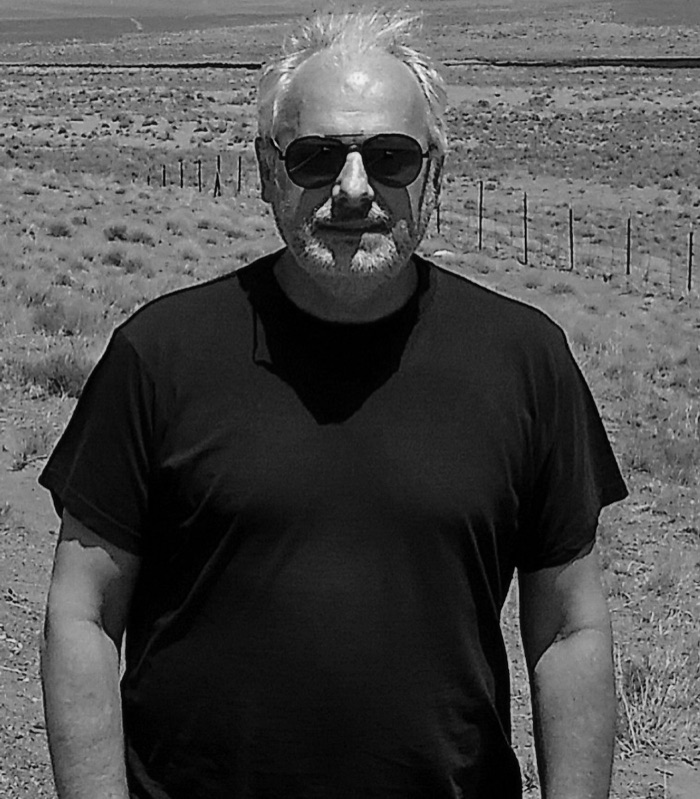
László Gábor Nagy is a Hungarian-born filmmaker and cinematographer who emerged from Hungary’s independent and experimental film scene. During the 1980s and 1990s, he worked as a director and cinematographer on documentaries, experimental films, and short films. His films combine social sensitivity with experimentation with the late-avant-garde visual language. He also produced numerous music videos and television commercials.
His documentaries include the award-winning Ours Is This World, a detailed portrayal of Roma life and traditions, as well as multiple social critiques like City of Desire, And What About You?, and As Long as We Live. His experimental work also received recognition in Hungarian film circles, including Why Don’t You Go to Hell, Pavel?, which also won an award and featured Nagy as an actor.
In 1998, Nagy moved to the United States and entered the fast-changing world of video post-production and digital media. He worked with media production companies serving U.S. and international advertising and broadcast agencies. At the same time, Nagy remained active in independent film and avant-garde art. He co-produced the short dance film Moonville Tunnel with Boróka Nagy. The film was an Official Selection at the Athens International Film and Video Festival and the Columbus International Film and Video Festival in 2014.
Nagy currently lives in California. He has collaborated on several projects with the California-based Re:borN Dance Interactive, combining film, experimental media, and contemporary dance, including the live performance As They Left the Valley of Weeping.
His long-term project, the World Movie Encyclopedia, brings together the different parts of his career. He grew up with European cinema, its aesthetics, and its film theories. He became an avant-garde artist and filmmaker. Later, he was part of a generation that witnessed and worked through the industry’s major transition from analog to digital media and gained direct experience with how large amounts of film and video content are organized. He brought these different perspectives into the World Movie Encyclopedia.
The World Movie Encyclopedia covers 49 major film movements, filmmakers, cinematic traditions, film theory, and technological developments. It brings together a large collection of movie data with historical and theoretical information. Many entries include original video excerpts and visual examples, so readers can see the cinematic ideas and techniques being discussed.